This idea came from both a bake sale I had at this past year's Relay for Life (to benefit the American Cancer Society) and from a post over at Sluts4Choice. To counter our opponents fundraising efforts, I propose having a Bakesale for Life on your local college campus, to raise procedes for either a CPC or a pro-life organization of your choosing. Or it'd be cool if we could find out the specific campus the person is wanting to have their bakesale at and set up a booth right next to theirs. Mwahaha ;) :)
Well, getting back to the idea: We all know that college students crave home-baked goodies and many don't have much money to go by. In addition to baked goods, this would be a good opportunity to offer life-affirming informational pamplets such as fetal development, abortion statistics, pregnancy loss (healing from an abortion or miscarriage), local community resources (domestic violence/rape, food, shelter, etc.) and information on pregnancy/parenting resources such as your local pregnancy resource center, The Nurturing Network, America's Pregnancy Helpline, and Feminists for Life for example. But make sure to check with your college's student activities office (or equivelent) for policies and procedures for setting up and running a booth on campus.
Another idea is to sell tickets for and host a volunteer-run, fundraiser dinner. A fish fry or spegettti dinner are two commonly chosen ones because of thier relative ease to put together and low cost. And you may be able to host it at a local Knights of Columbus, Kiwanas Club, or church. But be sure to check with your local health department for guildelines.
Also, just learned about the Wash for Life. "We are organizing thousands of groups across the nation to hold car washes to benefit their local pregnancy care centers - all on the same day! By participating in the Wash for Life, youth will help women and children in their own community, while at the same time being united in an event that sends a message to the whole nation, that this generation is pro-life."
Another idea is that we could do our own "Pledge-A-Picket" for any pro-choicers picketers at a pregnancy resource center, a Silent No More Awareness event, pro-life college booth, etc. The whole idea behind Pledge-a-Picket is to have people adopt a picketer and pledge a level of support for a picketer they "adopt." Then those contributions come rolling in every time these people are out on the street. The funds could then be used to support an existing pro-life organization, such as as your local pregnancy resource center, Heartbeat Interntional, Birthright, The Nuturing Network, or America's Pregnancy Helpline, for example or used to help you start your own organization.

My Life in Reflection
Wednesday, November 22, 2006


Thursday, November 16, 2006
About Depression and Other Mental Health Disorders
Introduction:
Who are we? We are your neighbors, your fellow church members, your co-workers, maybe even a family member. We are persons with a mental illness. We have been called lazy, selfish, weak-minded, crazies, and even subhuman among other things by individuals around us. There are those who are still frightened of us and/or walk on egg shells around us. Although there is progress being made in awareness and education, there are still many stereotypes and misconceptions about our illness. This entry is about education and awarness, about fighting the misconceptions and stigmas surrounding mental illness.
What is Mental Illness?
Mental illness is defined by SAMHSA's National Mental Health Information Center as "Mental illness is any diagnosable mental, behavioral, or emotional disorder that interferes with or limits a person's ability to live, work, learn, and participate fully in his or her community. Mental illness includes disorders such as depression, bipolar disorder, schizophrenia, panic disorder, obsessive compulsive disorder, posttraumatic stress disorder, attention deficit hyperactivity disorder, autism, and Alzheimer's disease. Mental illness involves the body, mood, and thoughts. It affects the way a person thinks, eats, sleeps, and feels about him/herself. Mental illness is not a sign of personal weakness or lack of willpower. People with a mental illness cannot simply overcome it and get better on their own."
According to National Alliance on Mental Illness (NAMI)
Also, according to National Alliance on Mental Illness (NAMI)
"Mental illnesses are treatable. Most people with serious mental illness need medication to help control symptoms, but also rely on supportive counseling, self-help groups, assistance with housing, vocational rehabilitation, income assistance and other community services in order to achieve their highest level of recovery. The best treatments for serious mental illnesses today are highly effective; between 70 and 90 percent of individuals have significant reduction of symptoms and improved quality of life with a combination of pharmacological and psychosocial treatments and supports. Early identification and treatment is of vital importance; By getting people the treatment they need early, recovery is accelerated and the brain is protected from further harm related to the course of illness. Without treatment the consequences of mental illness for the individual and society are staggering: unnecessary disability, unemployment, substance abuse, homelessness, inappropriate incarceration, suicide and wasted lives; The economic cost of untreated mental illness is more than 100 billion dollars each year in the United States. "
Now I will be narrowing my focus here to depressive disorders and suicide.
What is a Depressive Disorder?
The National Institute for Mental Healthdefines a depressive disorder as, "an illness that involves the body, mood, and thoughts. It affects the way a person eats and sleeps, the way one feels about oneself, and the way one thinks about things. A depressive disorder is not the same as a passing blue mood. It is not a sign of personal weakness or a condition that can be willed or wished away. People with a depressive illness cannot merely "pull themselves together" and get better. Without treatment, symptoms can last for weeks, months, or years. Appropriate treatment, however, can help most people who suffer from depression."
And according to the Depression and Bipolar Alliance, "Depression is a treatable illness involving an imbalance of brain chemicals called neurotransmitters. It is not a character flaw or a sign of personal weakness. You can’t make yourself well by trying to "snap out of it." Although it can run in families, you can’t catch it from someone else. The direct causes of the illness are unclear, however it is known that body chemistry can bring on a depressive disorder, due to experiencing a traumatic event, hormonal changes, altered health habits, the presence of another illness or substance abuse."
Some Statistics:
According to the National Institute of Mental Health...
Not everyone who is depressed or manic experiences every symptom. Some people experience a few symptoms, some many. Severity of symptoms varies with individuals and also varies over time.
Unless you've studied pyschology at a college level or experienced it first hand, the average person probably doesn't know what it's like to experience depression. The following article relates the feelings and perspectives of one person who's experienced depression, with hundreds of others also contributing their experiences in the comment section:
http://blogs.wingofmadness.com/feel/index.php
How is it Treated?
What Causes a Person to Attempt Suicide?
According to this website: Start by considering this statement, “Suicide is not chosen; it happens when pain exceeds resources for coping with pain.” Well, let's take what we already know, persons with a depressive disorder or substance addiction are experiencing some degree of emotional pain or turmoil. And every person has a different amount of coping resources. Now back to what the website says: "When pain exceeds pain-coping resources, suicidal feelings are the result. Suicide is neither wrong nor right; it is not a defect of character; it is morally neutral. It is simply an imbalance of pain versus coping resources."
Some Statistics:
According to the National Institute of Mental Health...
Indiana's state suicide prevention plan is a good example of a state-wide plan, based on a multi-pronged approach of 1.)Awareness, 2.)Intervention, and 3.)Methodology
On an individual level, there are things you can do as well:
According to the Indiana Suicide Prevention Coalition:
Step 1: Learn to recognize the warning signs of suicide.
Step 2: If you suspect someone you know is depressed and suicidal or could be suicidal, approach that person. Talk openly about depression and suicide and ask directly about whether the person in distress is thinking about suicide. Listen and affirm their feelings. Do not judge or debate whether feelings are right or wrong and don't tell them or imply that they are wrong but do help them explore positive ways to solve their problems.
Step 3: Be available and show interest and support for their situation.
Step 4: Remove any means of suicide such as guns, ropes, knives and pills from their home. Assist them to get help from mental health or crisis intervention experts by calling or taking them to their family physician, your local mental health center, the behavioral health / psychiatric units or emergency departments of their local community hospital or call a national suicide hotline such as 1-800-273-TALK for further information.
Sources:
1) National Institute of Mental Health
Fact Sheet (reviewed 2006)
The Numbers Count: Mental Disorders in America
http://www.nimh.nih.gov/publicat/numbers.cfm
2(National Alliance on Mental Illness
About Mental Illness
http://www.nami.org/Content/NavigationMenu/Inform_Yourself/About_Mental_Illness/About_Mental_Illness.htm
Suggestions for Support People:
DBSA Educational Materials
Free online brochures with information on a number of mood disorder-related topics. Note: Some come in PDF format and requireAdobe Acrobat Reader
http://www.dbsalliance.org/bookstore/brochures.html
What to Do When Someone You Know is Depressed
http://www.wingofmadness.com/articles/someone.htm
Is Someone You Love Depressed?
http://www.hbcprotocols.com/someoneyoulove.html
If You Know Someone Who's Depressed
http://www.healthyplace.com/communities/depression/living/ifyouknow.htm
What to Do When a Friend is Depressed
A helpful guide for teenagers
http://www.hoptechno.com/book34.htm
The 23 Best Things to Say to Someone Who is Depressed
http://www.hbcprotocols.com/23best.html
The 99 Worst Things to Say to Someone Who is Depressed
http://www.hbcprotocols.com/99things.html
Worst Things to Say to Someone Who is Depressed
http://www.wingofmadness.com/information/worst_things.htm
Additional Mental Health Resources
Who are we? We are your neighbors, your fellow church members, your co-workers, maybe even a family member. We are persons with a mental illness. We have been called lazy, selfish, weak-minded, crazies, and even subhuman among other things by individuals around us. There are those who are still frightened of us and/or walk on egg shells around us. Although there is progress being made in awareness and education, there are still many stereotypes and misconceptions about our illness. This entry is about education and awarness, about fighting the misconceptions and stigmas surrounding mental illness.
What is Mental Illness?
Mental illness is defined by SAMHSA's National Mental Health Information Center as "Mental illness is any diagnosable mental, behavioral, or emotional disorder that interferes with or limits a person's ability to live, work, learn, and participate fully in his or her community. Mental illness includes disorders such as depression, bipolar disorder, schizophrenia, panic disorder, obsessive compulsive disorder, posttraumatic stress disorder, attention deficit hyperactivity disorder, autism, and Alzheimer's disease. Mental illness involves the body, mood, and thoughts. It affects the way a person thinks, eats, sleeps, and feels about him/herself. Mental illness is not a sign of personal weakness or lack of willpower. People with a mental illness cannot simply overcome it and get better on their own."
According to National Alliance on Mental Illness (NAMI)
- Mental illnesses include such disorders as schizophrenia, schizoaffective disorder, bipolar disorder, major depressive disorder, obsessive-compulsive disorder, panic and other severe anxiety disorders, autism and pervasive developmental disorders, attention deficit/hyperactivity disorder, borderline personality disorder, and other severe and persistent mental illnesses that affect the brain.
- Mental illnesses can affect persons of any age, race, religion, or income. Mental illnesses are not the result of personal weakness, lack of character, or poor upbringing.
- Mental illnesses are biologically based brain disorders. They cannot be overcome through "will power" and are not related to a person's "character" or intelligence.
- Mental disorders fall along a continuum of severity. The most serious and disabling conditions affect five to ten million adults (2.6 – 5.4%) and three to five million children ages five to seventeen (5 – 9%) in the United States.
Also, according to National Alliance on Mental Illness (NAMI)
"Mental illnesses are treatable. Most people with serious mental illness need medication to help control symptoms, but also rely on supportive counseling, self-help groups, assistance with housing, vocational rehabilitation, income assistance and other community services in order to achieve their highest level of recovery. The best treatments for serious mental illnesses today are highly effective; between 70 and 90 percent of individuals have significant reduction of symptoms and improved quality of life with a combination of pharmacological and psychosocial treatments and supports. Early identification and treatment is of vital importance; By getting people the treatment they need early, recovery is accelerated and the brain is protected from further harm related to the course of illness. Without treatment the consequences of mental illness for the individual and society are staggering: unnecessary disability, unemployment, substance abuse, homelessness, inappropriate incarceration, suicide and wasted lives; The economic cost of untreated mental illness is more than 100 billion dollars each year in the United States. "
Now I will be narrowing my focus here to depressive disorders and suicide.
What is a Depressive Disorder?
The National Institute for Mental Healthdefines a depressive disorder as, "an illness that involves the body, mood, and thoughts. It affects the way a person eats and sleeps, the way one feels about oneself, and the way one thinks about things. A depressive disorder is not the same as a passing blue mood. It is not a sign of personal weakness or a condition that can be willed or wished away. People with a depressive illness cannot merely "pull themselves together" and get better. Without treatment, symptoms can last for weeks, months, or years. Appropriate treatment, however, can help most people who suffer from depression."
And according to the Depression and Bipolar Alliance, "Depression is a treatable illness involving an imbalance of brain chemicals called neurotransmitters. It is not a character flaw or a sign of personal weakness. You can’t make yourself well by trying to "snap out of it." Although it can run in families, you can’t catch it from someone else. The direct causes of the illness are unclear, however it is known that body chemistry can bring on a depressive disorder, due to experiencing a traumatic event, hormonal changes, altered health habits, the presence of another illness or substance abuse."
Some Statistics:
According to the National Institute of Mental Health...
- Approximately 20.9 million adults, or about 9.5 percent of the U.S. population age 18 and older in a given year, have a mood disorder. (1)
- The median age of onset for mood disorder is 30 years (5).
- Depressive disorders often co-occur with anxiety disorders and substance abuse (5).
- Major Depressive Disorder is the leading cause of disability in the U.S. for ages 15-44(3).
- Major depressive disorder affects approximately 14.8 million American adults, or about 6.7 percent of the U.S. population age 18 and older in a given year (1)
- While major depressive disorder can develop at any age, the median age at onset is 32(5).
- Major depressive disorder is more prevalent in women than in men (6).
- Symptoms of dysthymic disorder (chronic, mild depression) must persist for at least two years in adults (one year in children) to meet criteria for the diagnosis.
- Dysthymic disorder affects approximately 1.5 percent of the U.S. population age 18 and older in a given year(1). This figure translates to about 3.3 million American adults(2).
- The median age of onset of dysthymic disorder is 31(1).
- Bipolar disorder affects approximately 5.7 million American adults, or about 2.6 percent of the U.S. population age 18 and older in a given year(1).
- The median age of onset for bipolar disorders is 25 years(5).
Not everyone who is depressed or manic experiences every symptom. Some people experience a few symptoms, some many. Severity of symptoms varies with individuals and also varies over time.
Depression
- Persistent sad, anxious, or "empty" mood
- Feelings of hopelessness, pessimism
- Feelings of guilt, worthlessness, helplessness
- Loss of interest or pleasure in hobbies and activities that were once enjoyed, including sex
- Decreased energy, fatigue, being "slowed down"
- Difficulty concentrating, remembering, making decisions
- Insomnia, early-morning awakening, or oversleeping
- Appetite and/or weight loss or overeating and weight gain
- Thoughts of death or suicide; suicide attempts
- Restlessness, irritability
- Persistent physical symptoms that do not respond to treatment, such as headaches, digestive disorders, and chronic pain
Mania
- Abnormal or excessive elation
- Unusual irritability
- Decreased need for sleep
- Grandiose notions
- Increased talking
- Racing thoughts
- Increased sexual desire
- Markedly increased energy
- Poor judgment
- Inappropriate social behavior
Unless you've studied pyschology at a college level or experienced it first hand, the average person probably doesn't know what it's like to experience depression. The following article relates the feelings and perspectives of one person who's experienced depression, with hundreds of others also contributing their experiences in the comment section:
http://blogs.wingofmadness.com/feel/index.php
How is it Treated?
What Causes a Person to Attempt Suicide?
According to this website: Start by considering this statement, “Suicide is not chosen; it happens when pain exceeds resources for coping with pain.” Well, let's take what we already know, persons with a depressive disorder or substance addiction are experiencing some degree of emotional pain or turmoil. And every person has a different amount of coping resources. Now back to what the website says: "When pain exceeds pain-coping resources, suicidal feelings are the result. Suicide is neither wrong nor right; it is not a defect of character; it is morally neutral. It is simply an imbalance of pain versus coping resources."
Some Statistics:
According to the National Institute of Mental Health...
- In 2002, 31,655 (approximately11 per 100,000) people died by suicide in the U.S. (7, 8).
- More than 90 percent of people who kill themselves have a diagnosable mental disorder, most commonly a depressive disorder or substance abuse disorder(9).
- The highest suicide rates in the U.S. are found in white men over age 85(8).
- Four times as many men as women die by suicide(8); however, women attempt suicide two to three times as often as men(10).
Indiana's state suicide prevention plan is a good example of a state-wide plan, based on a multi-pronged approach of 1.)Awareness, 2.)Intervention, and 3.)Methodology
On an individual level, there are things you can do as well:
According to the Indiana Suicide Prevention Coalition:
Step 1: Learn to recognize the warning signs of suicide.
Step 2: If you suspect someone you know is depressed and suicidal or could be suicidal, approach that person. Talk openly about depression and suicide and ask directly about whether the person in distress is thinking about suicide. Listen and affirm their feelings. Do not judge or debate whether feelings are right or wrong and don't tell them or imply that they are wrong but do help them explore positive ways to solve their problems.
Step 3: Be available and show interest and support for their situation.
Step 4: Remove any means of suicide such as guns, ropes, knives and pills from their home. Assist them to get help from mental health or crisis intervention experts by calling or taking them to their family physician, your local mental health center, the behavioral health / psychiatric units or emergency departments of their local community hospital or call a national suicide hotline such as 1-800-273-TALK for further information.
Sources:
1) National Institute of Mental Health
Fact Sheet (reviewed 2006)
The Numbers Count: Mental Disorders in America
http://www.nimh.nih.gov/publicat/numbers.cfm
2(National Alliance on Mental Illness
About Mental Illness
http://www.nami.org/Content/NavigationMenu/Inform_Yourself/About_Mental_Illness/About_Mental_Illness.htm
Suggestions for Support People:
DBSA Educational Materials
Free online brochures with information on a number of mood disorder-related topics. Note: Some come in PDF format and requireAdobe Acrobat Reader
http://www.dbsalliance.org/bookstore/brochures.html
What to Do When Someone You Know is Depressed
http://www.wingofmadness.com/articles/someone.htm
Is Someone You Love Depressed?
http://www.hbcprotocols.com/someoneyoulove.html
If You Know Someone Who's Depressed
http://www.healthyplace.com/communities/depression/living/ifyouknow.htm
What to Do When a Friend is Depressed
A helpful guide for teenagers
http://www.hoptechno.com/book34.htm
The 23 Best Things to Say to Someone Who is Depressed
http://www.hbcprotocols.com/23best.html
The 99 Worst Things to Say to Someone Who is Depressed
http://www.hbcprotocols.com/99things.html
Worst Things to Say to Someone Who is Depressed
http://www.wingofmadness.com/information/worst_things.htm
Additional Mental Health Resources
Tuesday, November 14, 2006
Let Us Be Thoughtful and Thankful
Thanksgiving is right around the corner, and with it a time for us to consciously stop and consider all that we have to be thankful for. Although we live in a world full of tragedies and evil, there also lies goodness. I'm going to list what I'm thankful for here, in subsequent days leading up to Thanksgiving. It will be a challenge, indeed, but a good one, because thankfulness is a discipline that requires most of all the ability to see the good things all around us. I hope you'll join in and let me know what you're thankful for by posting in the comments section.
1. Freedom: to practice the religion of my choosing or not practice at all, the right to work, and the right to have a voice and vote
2. My Family: although we may not always see eye to eye as I am becoming an independent adult, I still will always love you
3. My Grandparents and also neighbor "Richard C.": You Have Much Insight and Wisdom to Pass On
4. To be Alive: Two life-threatening medical emergencies arose this year for myself and yet here I am. I'm glad to be alive and in good health.
5. My Best Friends: You know who you are. Thank you for being there through the hard times and by my side to laugh through the good times.
6. My Best Friend and the Love of My Life, "B": I just want to let you know that I love you very much. We've been through some hard times together, but we've made it though. You truly are my guardian angel. Thank you for being there through the hard times and by my side to laugh through the good times.
7. Food on the Table
8. Clothing and Shoes to Wear
9. A Higher Power Looking Out for My Health and Safety
10. Having a Job which I Enjoy and Pays the Bills
11. My Supervisor and the People I Work With...Even the Difficult Ones
12. Chocolate
13. A Car that Runs: Despite it's age (10 yrs), my car runs with little trouble.
14. Our Two Cats: They've brought us companionship, comfort, and laughter, they're practically members of our family
15. Indoor Plumbing/Electricity
16. Experiences Which Let me Walk in Others Shoes and Keeps Me Humble
17. Hot Chocolate and Warm, Soft, Chocolate Chip Cookies
18. Finding Wonderful Friendship and Support During Difficult Emotional Times
19. Thoughtful and Insightful Conversations with "B"s Mother
20. Good Books Which Comfort, Inspire, Make Me Think, and Entertain
21. A Home Which is Safe and Protects Me from the Weather
22. Discounts on Clothes and Books
23. Family Christmas Gatherings at my Grandparent's When I Was a Child
24. Fires in Our Fireplace on Cold Autumn/Winter Nights
25. To Have Gotten to Know my Stepgrandfather, "Darwin" Before He Died.
26. My Teachers: I've had some truly dedicated, patient, and caring teachers throughout my years in school, particularly Jerry E. and Sally L.
27. Computers: They simplify our way of life
28. Light through the Darkness: Finally overcoming years of clinical depression
29. Art Which Inspires: Having the spiritual guidance and inspiration of my aunt as I finished a chalk drawing, which she began years ago. And having inherited her artisitic talent. We love you and miss you, Mary Margaret.
30. Mr. Fred Rogers: You've been an inspiration to my creativity and helped me to grow. Thank you, Mr. Rogers
32. Sleeping Babies: The tranquility which comes with holding a peacefully sleeping baby.
33. Fingerpainting and Watercolors: Memories of my childhood
34. Quiet Moments
35. Our Firefighters and the Men and Women Serving Our Country
36. Minimal Traffic on the Interstate Highway
37. ...and Safe Arrivals For Myself, My Friends, and My Family at Their Destinations
38. Kisses and Hugs
39. T.V. Remote Controls
40. Getting to Sleep In On the Occasional Weekend
41. Accomplishments Which Make my Parents and Family Proud
42. Two Words: Star...Wars
43. Snow: Catching snowflakes on my tongue and rolling snowmen
44. Wildlife Refuges
45. Sunsets at the beach
Original Comments Made for This Entry...
CatS. wrote (11-15-2006):
Rachael, Your blog warmed my heart. You truly have a thankful heart and have the ability to express your blessings in such a pure way. I only have a few minutes to respond but will spend more time giving thought to my abundant blessings. I am thankful that God has blessed me with three incredible daughters, all three so unique, and all with good hearts, good minds and healthy bodies. I am thankful for a kind, patient and thoughtful husband that was truly meant to be my life partner. I am thankful for loving parents and my wholesome childhood. But most importantly, this year I am thankful that you can feel that you are blessed, you can feel the love of others and you can enjoy life once again.
2. My Family: although we may not always see eye to eye as I am becoming an independent adult, I still will always love you
3. My Grandparents and also neighbor "Richard C.": You Have Much Insight and Wisdom to Pass On
4. To be Alive: Two life-threatening medical emergencies arose this year for myself and yet here I am. I'm glad to be alive and in good health.
5. My Best Friends: You know who you are. Thank you for being there through the hard times and by my side to laugh through the good times.
6. My Best Friend and the Love of My Life, "B": I just want to let you know that I love you very much. We've been through some hard times together, but we've made it though. You truly are my guardian angel. Thank you for being there through the hard times and by my side to laugh through the good times.
7. Food on the Table
8. Clothing and Shoes to Wear
9. A Higher Power Looking Out for My Health and Safety
10. Having a Job which I Enjoy and Pays the Bills
11. My Supervisor and the People I Work With...Even the Difficult Ones
12. Chocolate
13. A Car that Runs: Despite it's age (10 yrs), my car runs with little trouble.
14. Our Two Cats: They've brought us companionship, comfort, and laughter, they're practically members of our family
15. Indoor Plumbing/Electricity
16. Experiences Which Let me Walk in Others Shoes and Keeps Me Humble
17. Hot Chocolate and Warm, Soft, Chocolate Chip Cookies
18. Finding Wonderful Friendship and Support During Difficult Emotional Times
19. Thoughtful and Insightful Conversations with "B"s Mother
20. Good Books Which Comfort, Inspire, Make Me Think, and Entertain
21. A Home Which is Safe and Protects Me from the Weather
22. Discounts on Clothes and Books
23. Family Christmas Gatherings at my Grandparent's When I Was a Child
24. Fires in Our Fireplace on Cold Autumn/Winter Nights
25. To Have Gotten to Know my Stepgrandfather, "Darwin" Before He Died.
26. My Teachers: I've had some truly dedicated, patient, and caring teachers throughout my years in school, particularly Jerry E. and Sally L.
27. Computers: They simplify our way of life
28. Light through the Darkness: Finally overcoming years of clinical depression
29. Art Which Inspires: Having the spiritual guidance and inspiration of my aunt as I finished a chalk drawing, which she began years ago. And having inherited her artisitic talent. We love you and miss you, Mary Margaret.
30. Mr. Fred Rogers: You've been an inspiration to my creativity and helped me to grow. Thank you, Mr. Rogers
32. Sleeping Babies: The tranquility which comes with holding a peacefully sleeping baby.
33. Fingerpainting and Watercolors: Memories of my childhood
34. Quiet Moments
35. Our Firefighters and the Men and Women Serving Our Country
36. Minimal Traffic on the Interstate Highway
37. ...and Safe Arrivals For Myself, My Friends, and My Family at Their Destinations
38. Kisses and Hugs
39. T.V. Remote Controls
40. Getting to Sleep In On the Occasional Weekend
41. Accomplishments Which Make my Parents and Family Proud
42. Two Words: Star...Wars
43. Snow: Catching snowflakes on my tongue and rolling snowmen
44. Wildlife Refuges
45. Sunsets at the beach
Original Comments Made for This Entry...
CatS. wrote (11-15-2006):
Rachael, Your blog warmed my heart. You truly have a thankful heart and have the ability to express your blessings in such a pure way. I only have a few minutes to respond but will spend more time giving thought to my abundant blessings. I am thankful that God has blessed me with three incredible daughters, all three so unique, and all with good hearts, good minds and healthy bodies. I am thankful for a kind, patient and thoughtful husband that was truly meant to be my life partner. I am thankful for loving parents and my wholesome childhood. But most importantly, this year I am thankful that you can feel that you are blessed, you can feel the love of others and you can enjoy life once again.
Thursday, November 2, 2006
Two Lives Saved by Sidewalk Counseling
Dawn Eden brings us the news about a young woman who spoke to the Waco, Texas, City Council in defense of pro-life street counselors who encouraged her not to have an abortion:
The council went on to ease its restrictions against demonstrations outside abortion clinics.
On a busy day at an inner city abortion clinic, you may find both anti-abortion protestors and clinic escorts. Legally both the sidewalk counselors and the picketers have the legal right to express their views under the first amendement. However, there are certain laws which do limit their access and proximity to the clinics. However, that's not what I'm wanting to focus on here. Today, I'd like to discuss the role of sidewalk counselors. There's a lot of assumptions that they're the same as the picketers. Actually, there is a difference in presentation and demeanor between sidewalk counselors and picketers and their goals are different. I think a lot of folks don't understand who these sidewalk counselors are and what they are there to accomplish. The sidewalk counselors are there to offer information on alternatives, resources for pregnancy and parenting, caution clients against going to a shody clinic (which has malpractice and negligence suits), and support to a woman considering having an abortion.
"How is a frightened woman on her way into a clinic for an procedure supposed to tell the difference between a "counselor" and a "picketer"?"
That's a good question. Usually counselors are offering informational pamplets and not loud or obnoxious, although they may call to the woman to get her attention. They also have a different goal, not to scare or intimidate, only to offer alternatives to abortion and also to director her to resources which can assist her. Picketers on the other hand, primary try to intimidate and shock women into not choosing abortion. And while I disagree with many of the picketer's methods (i.e. bloody photos or screaming words of condemnation), there are protestors who make a quiet prescence with just prayer. Here's an interview with a protestor. Oftentimes, I think individuals and groups mix up the two groups and assume the worse about sidewalk counselors without actually getting to know them on an individual basis. They just may have more in common goal-wise than they know.
It is up to every individual woman whether or not she'd like to speak with the sidewalk counselors, and especially if you're not sure about your decision, I'd like to encourage you to give these people a chance and hear them out. Even so, I'd like to bring to attention that clinic escorts often block the patients from ever having the chance to speak to the sidewalk counselors both physically and verbally, sometimes with loud music and megaphones, and sometimes they even harass and physically engage the sidewalk counselors and picketers. And also I'd like to point out that many pro-choicers and clinic escorts perpetuate a fear of pro-lifers, painting them all as violent, raving, "crazies" and make sure to keep women from hearing them, non-the-less talk to them. She's not given a choice once she's at the clinic and in the grasp of a clinic escort. She's often rushed into the clinic, regardless of whether it's of her own will, past the sidewalk counselors without a second thought. And clinic escorts are often eager for the protestors to get forcibly removed from the premises and often rough-up the sidewalk counselors and fabricate and over-eggagerate minor offenses to local police, who often side with the clinic, as demonstrated below.
http://community.livejournal.com/ljforchoice/92838.html
http://abortionviolence.com/SC.HTM#ACLU1
http://abortionviolence.com/CA.HTM#BACAOR
http://abortionviolence.com/WI.HTM#MCPC
http://abortionviolence.com/MN.HTM#PPFA
http://abortionviolence.com/CO.HTM#PPFA
http://www.youtube.com/watch?v=MwbCMMBnTcQ
http://www.youtube.com/watch?v=6lj4vRgZ69g
http://www.youtube.com/watch?v=YOptXN8UXfc
"But when someone goes into an abortion clinic, she already knows what she's going there for."
When women go into these clinics considering having an abortion, often they go there with a heavy heart. Most of the time, we find that they feel ambvient about the decision, that abortion is their only viable option. In addition, one study found that 64% of American women felt pressured by others to have an abortion. In fact, when it comes to counseling provided by the clinic, the same study found more than half felt rushed, yet 67% received no counseling and 79% were not told about available alternatives (1), as demonstrated by the testimonies of past and current clinic workers and women who've had abortions.
http://www.clinicquotes.com/selling.html
http://www.clinicquotes.com/womensconsent.html http://www.passboards.org/forumdisplay.php?f=18
http://www.unfairchoice.info/intro.htm
http://www.abortionconcern.org/abortion-info/forced-or-coerced.php
"Showing her an aborted fetus or telling her how she's going to burn in hell is not going to somehow "convince" her."
I agree. When people start flashing gory images or yelling to them that they are sinners and murderers, and that they need to repent, it does not sway them to choose life. I think it scares them more or worse, angers them and would want to go through with the abortion just to spite them. They go into the "leave me alone, its my life and body thinking" Rather I think they should be dealt with compassion and understanding. These women need someoe to love them and support them and help them.
"Do sidewalk counselors actually change minds?"
It is a difficult ministry, and while it is not always the case, but yes, there have been women who've changed their minds after speaking with a sidewalk counselors.
On a Related Note:
Sidewalk Counseling Guides:
http://thoughts-and-faith-to-share.blogspot.com/2007/06/serious-thoughts-on-sidewalk-counseling.html
http://sidewalkcounseling.com/black.asp
http://www.webcom.com/sidewalk/
Sidewalk Counselors Blogs/Testimonies:
http://sidewalk-talk.blogspot.com/
http://sidewalkcounselorsunited.blogspot.com/
http://fdalessio.blogspot.com/2005/04/sidewalk-counseling-apr-2006.html http://afterabortion.blogspot.com/2005/05/compassionate-sidewalk-counseling-how.html
http://anniebanno.blogspot.com/2005/05/real-truth-about-crisis-pregnancy.html
http://www.dawneden.com/2006/10/across-streetby-guestbloggerdennis.html
http://thedramaofexistence.blogspot.com/2006/09/encounter.html
http://generationsforlife.org/2006/0914/a-life-saved/
http://theschoolofmary.blogspot.com/2007/02/providence-at-planned-parenthood-and.html
Audio/Video:
No Greater Joy (Caution: brief images of aborted fetuses)
This video discusses sidewalk counselinig from the perspective of four individuals: who they are, the type of information they distribute, spiritual involvement, how to approach women ("don't yell at the women and if they yell at you, don't respond", "don't be rude to any woman you're speaking to, never shout", "don't accuse this woman. You're not there to accuse, you're there to help") and guidelines, caring about both woman and child.
More About Sidewalk Counseling
Sources:
1) VM Rue et. al., “Induced abortion and traumatic stress: A preliminary comparison of American and Russian women,” Medical Science Monitor 10(10): SR5-16 (2004).
The council went on to ease its restrictions against demonstrations outside abortion clinics.
On a busy day at an inner city abortion clinic, you may find both anti-abortion protestors and clinic escorts. Legally both the sidewalk counselors and the picketers have the legal right to express their views under the first amendement. However, there are certain laws which do limit their access and proximity to the clinics. However, that's not what I'm wanting to focus on here. Today, I'd like to discuss the role of sidewalk counselors. There's a lot of assumptions that they're the same as the picketers. Actually, there is a difference in presentation and demeanor between sidewalk counselors and picketers and their goals are different. I think a lot of folks don't understand who these sidewalk counselors are and what they are there to accomplish. The sidewalk counselors are there to offer information on alternatives, resources for pregnancy and parenting, caution clients against going to a shody clinic (which has malpractice and negligence suits), and support to a woman considering having an abortion.
"How is a frightened woman on her way into a clinic for an procedure supposed to tell the difference between a "counselor" and a "picketer"?"
That's a good question. Usually counselors are offering informational pamplets and not loud or obnoxious, although they may call to the woman to get her attention. They also have a different goal, not to scare or intimidate, only to offer alternatives to abortion and also to director her to resources which can assist her. Picketers on the other hand, primary try to intimidate and shock women into not choosing abortion. And while I disagree with many of the picketer's methods (i.e. bloody photos or screaming words of condemnation), there are protestors who make a quiet prescence with just prayer. Here's an interview with a protestor. Oftentimes, I think individuals and groups mix up the two groups and assume the worse about sidewalk counselors without actually getting to know them on an individual basis. They just may have more in common goal-wise than they know.
It is up to every individual woman whether or not she'd like to speak with the sidewalk counselors, and especially if you're not sure about your decision, I'd like to encourage you to give these people a chance and hear them out. Even so, I'd like to bring to attention that clinic escorts often block the patients from ever having the chance to speak to the sidewalk counselors both physically and verbally, sometimes with loud music and megaphones, and sometimes they even harass and physically engage the sidewalk counselors and picketers. And also I'd like to point out that many pro-choicers and clinic escorts perpetuate a fear of pro-lifers, painting them all as violent, raving, "crazies" and make sure to keep women from hearing them, non-the-less talk to them. She's not given a choice once she's at the clinic and in the grasp of a clinic escort. She's often rushed into the clinic, regardless of whether it's of her own will, past the sidewalk counselors without a second thought. And clinic escorts are often eager for the protestors to get forcibly removed from the premises and often rough-up the sidewalk counselors and fabricate and over-eggagerate minor offenses to local police, who often side with the clinic, as demonstrated below.
http://community.livejournal.com/ljforchoice/92838.html
http://abortionviolence.com/SC.HTM#ACLU1
http://abortionviolence.com/CA.HTM#BACAOR
http://abortionviolence.com/WI.HTM#MCPC
http://abortionviolence.com/MN.HTM#PPFA
http://abortionviolence.com/CO.HTM#PPFA
http://www.youtube.com/watch?v=MwbCMMBnTcQ
http://www.youtube.com/watch?v=6lj4vRgZ69g
http://www.youtube.com/watch?v=YOptXN8UXfc
"But when someone goes into an abortion clinic, she already knows what she's going there for."
When women go into these clinics considering having an abortion, often they go there with a heavy heart. Most of the time, we find that they feel ambvient about the decision, that abortion is their only viable option. In addition, one study found that 64% of American women felt pressured by others to have an abortion. In fact, when it comes to counseling provided by the clinic, the same study found more than half felt rushed, yet 67% received no counseling and 79% were not told about available alternatives (1), as demonstrated by the testimonies of past and current clinic workers and women who've had abortions.
http://www.clinicquotes.com/selling.html
http://www.clinicquotes.com/womensconsent.html http://www.passboards.org/forumdisplay.php?f=18
http://www.unfairchoice.info/intro.htm
http://www.abortionconcern.org/abortion-info/forced-or-coerced.php
"Showing her an aborted fetus or telling her how she's going to burn in hell is not going to somehow "convince" her."
I agree. When people start flashing gory images or yelling to them that they are sinners and murderers, and that they need to repent, it does not sway them to choose life. I think it scares them more or worse, angers them and would want to go through with the abortion just to spite them. They go into the "leave me alone, its my life and body thinking" Rather I think they should be dealt with compassion and understanding. These women need someoe to love them and support them and help them.
"Do sidewalk counselors actually change minds?"
It is a difficult ministry, and while it is not always the case, but yes, there have been women who've changed their minds after speaking with a sidewalk counselors.
On a Related Note:
Sidewalk Counseling Guides:
http://thoughts-and-faith-to-share.blogspot.com/2007/06/serious-thoughts-on-sidewalk-counseling.html
http://sidewalkcounseling.com/black.asp
http://www.webcom.com/sidewalk/
Sidewalk Counselors Blogs/Testimonies:
http://sidewalk-talk.blogspot.com/
http://sidewalkcounselorsunited.blogspot.com/
http://fdalessio.blogspot.com/2005/04/sidewalk-counseling-apr-2006.html http://afterabortion.blogspot.com/2005/05/compassionate-sidewalk-counseling-how.html
http://anniebanno.blogspot.com/2005/05/real-truth-about-crisis-pregnancy.html
http://www.dawneden.com/2006/10/across-streetby-guestbloggerdennis.html
http://thedramaofexistence.blogspot.com/2006/09/encounter.html
http://generationsforlife.org/2006/0914/a-life-saved/
http://theschoolofmary.blogspot.com/2007/02/providence-at-planned-parenthood-and.html
Audio/Video:
No Greater Joy (Caution: brief images of aborted fetuses)
This video discusses sidewalk counselinig from the perspective of four individuals: who they are, the type of information they distribute, spiritual involvement, how to approach women ("don't yell at the women and if they yell at you, don't respond", "don't be rude to any woman you're speaking to, never shout", "don't accuse this woman. You're not there to accuse, you're there to help") and guidelines, caring about both woman and child.
More About Sidewalk Counseling
Sources:
1) VM Rue et. al., “Induced abortion and traumatic stress: A preliminary comparison of American and Russian women,” Medical Science Monitor 10(10): SR5-16 (2004).
Sunday, October 22, 2006
Achromic on the Run: I am talking to your kids and so is everyone else
Fellow blogger, Achromic on the Run, wrote about her concern with kids unsupervised on the internet. While the internet can be an educational tool and a source of entertainment for children, dangers also lurk on the internet in the form of child predators and child exploitation.
This is one area where I actually agree with Achromic. In order to keep kids safe, it takes parents being involved/interested in what their chld is doing on the computer/internet, IN ADDITION to electronic filters and monitering programs. I can't emphasize enough that computers and filters can't replace parental invovlment in keeping kids safe on the internet. Also, the parent/guardians need to be understand why and become interested in keeping their kids safe. In this And Namaan made a good point in the comments at Achromic's blog, many parents I agree are intimidated by the challenge of trying to supervise internet access or just don't know where to start. You see, this is an issue our library (where I work) has been tackling. Recently our library sponsored a seminar, for parents and children in the community on internet safety based on the NetSmartz website. The seminar took a multi-pronged approach 1) We had a speaker from the state police, whom gave statistics on missing and endangered children and the NCMEC website (awareness). 2)A detective specializing in child exploitation and internet safety concerns, gave information on the risks and how to be safer on various websites (i.e Myspace, Yahoo, Facebook, etc.) And he emphasized the importance of parents being involved and aware of what thier children are doing on the computer. (education) 3)A technical support specialist gave information on how to check a child's internet activities (via standard Windows features): history folder, internet cookies, and temporary internet files. But he also noted that many teens are quite savvy at computers and may know how to erase their tracks. So he also discussed parental controls, and various filtering and monitering software(which can be password protected), parents may also wish to utilitize. I think there's no one easy answer as to how to go about monitering a child on the computer, but rather we need to take a multi-demential approach.
Here's a couple more websites recommended at our library:
http://safekids.com/child_safety.htm
http://staysafe.org/
http://missingkids.com/
http://cybertipline.com/
Also you can find a list of kid friendly sites at "The Librarian's Guide to Great Websites for Kids"
http://ala.org/greatsites
Here's a couple more websites recommended at our library:
http://safekids.com/child_safety.htm
http://staysafe.org/
http://missingkids.com/
http://cybertipline.com/
Also you can find a list of kid friendly sites at "The Librarian's Guide to Great Websites for Kids"
http://ala.org/greatsites
Saturday, October 21, 2006
Center of Contraversy - Stop My Abortion blog
This blog has in recent months become the center of attention and contraversy. Stop My Abortion is the blog of a rather cynical and crass 20 yrs old woman whom just found herself unexpectedly pregnant. The woman in question, is low income and works as a bartender. In her first post April 18, she said, "Either click on the paypal link on the side of this page and give what you can, or I'm going to get this fetus scraped and sucked out of me in six month's time." The premise behind the blog was that if pro-lifers really do care about and want to save all unwanted babies, then they should pay the money to care for such children and if the pro-lifers didn't come up with the prescribed amount (and showed themselves to be hypocrits), she was going to have a late-term abortion at six month gestation. And as another blogger pointed out, as if any unwillingness to provide financial assistance (read hypocrisy) on pro-lifers' part validates the need for Roe vs. Wade. Now to me, this blog seems to be a satiracle strike at pro-lifers, in addition, there are a few things wrong with it I see.
1) The author is posing the age-old pro-choice rhetorical question: "If you're against abortion, are you going to pay for the care of all all the unwanted children in the world?" S/he is merely trying to point out flaws in the pro-life argument with logical fallacies and stereotyping.
2) If you do donate money, there's no guarantee this story is real or that your hard money will go to a a true charity cause. Instead I'd donate to an established local charity, to be sure the money will be used as you intend, such as the United Way or American Red Cross. I don't think an individual's unwillingness to donate always reflects the state of political beliefs or charitability as much as worthwhile caution in donating to a cause we have no certainty is true.
3) That kind of attention-getting rubs me all the wrong way, whether serious or satire. Experiencing an unplanned pregnancy and making the decision to have an abortion is not a decision to be taken lightly, like going to the beauty salon. The abortion jokes lead me to conclusions about the maturity of (or complete lack there of) the one making such jokes.
4) If this story were true and not satire, there are better ways than online solicitation (which is questionable at best) to going about to getting support and assistance. There are a number of established non-political pro-life organizations which can provide pregnancy and parenting assistance or even just financial assistance and help with basic needs. There are over 4,000 woman helping centers (comprised of pregnancy resource centers, maternity housing, adoption agencies, social services agencies, and participating church parishes) in the U.S. and 36 other countries. On the other hand, when someone genuinely wants help and I am capable of offering such help, I do so. I've helped a number of pregnant, parenting, and post-abortion young women in finding/applying for help when they otherwise had nowhere to turn.
5) Even if she was able to raise the $40,000 from pro-lifers, I don't think that alone would be enough to change her perception of pro-lifers and her political stance. The damned if you do, damned if you don't mentality. If you're a pro-lifer and you donate to this so-called woman's cause, you're accused of spending your money on caring for fetuses and not caring about the needs of born children. If you don't donate, you're accused of being a hypocrit and not caring about the unborn or caring about the women who carry an unwanted pregnancy to term. Basically it's a no-win situation, I wouldn't waste your time in discussion there.
Well, October 19 came and she had not received all of the prescribed amount ($40,000) and so she supposidly had the late-term abortion, posting questionable images of the result of the abortion. The blog has received mixed reactions from both pro-choice and pro-lifers alike. Support from pro-choicers congradulating her on "showing the hypocricy of anti-choicers" and criticism from both sides. Now I don't agree with the slander she's received from pro-life individuals, regardless of the blog being satire, such behavior does not show good will on pro-lifers part.
Update: Jivin' J brings it to our attention that , "Help My Baby Live," a website with a very similar premise to the "Stop my Abortion" blog has appeared.
1) The author is posing the age-old pro-choice rhetorical question: "If you're against abortion, are you going to pay for the care of all all the unwanted children in the world?" S/he is merely trying to point out flaws in the pro-life argument with logical fallacies and stereotyping.
2) If you do donate money, there's no guarantee this story is real or that your hard money will go to a a true charity cause. Instead I'd donate to an established local charity, to be sure the money will be used as you intend, such as the United Way or American Red Cross. I don't think an individual's unwillingness to donate always reflects the state of political beliefs or charitability as much as worthwhile caution in donating to a cause we have no certainty is true.
3) That kind of attention-getting rubs me all the wrong way, whether serious or satire. Experiencing an unplanned pregnancy and making the decision to have an abortion is not a decision to be taken lightly, like going to the beauty salon. The abortion jokes lead me to conclusions about the maturity of (or complete lack there of) the one making such jokes.
4) If this story were true and not satire, there are better ways than online solicitation (which is questionable at best) to going about to getting support and assistance. There are a number of established non-political pro-life organizations which can provide pregnancy and parenting assistance or even just financial assistance and help with basic needs. There are over 4,000 woman helping centers (comprised of pregnancy resource centers, maternity housing, adoption agencies, social services agencies, and participating church parishes) in the U.S. and 36 other countries. On the other hand, when someone genuinely wants help and I am capable of offering such help, I do so. I've helped a number of pregnant, parenting, and post-abortion young women in finding/applying for help when they otherwise had nowhere to turn.
5) Even if she was able to raise the $40,000 from pro-lifers, I don't think that alone would be enough to change her perception of pro-lifers and her political stance. The damned if you do, damned if you don't mentality. If you're a pro-lifer and you donate to this so-called woman's cause, you're accused of spending your money on caring for fetuses and not caring about the needs of born children. If you don't donate, you're accused of being a hypocrit and not caring about the unborn or caring about the women who carry an unwanted pregnancy to term. Basically it's a no-win situation, I wouldn't waste your time in discussion there.
Well, October 19 came and she had not received all of the prescribed amount ($40,000) and so she supposidly had the late-term abortion, posting questionable images of the result of the abortion. The blog has received mixed reactions from both pro-choice and pro-lifers alike. Support from pro-choicers congradulating her on "showing the hypocricy of anti-choicers" and criticism from both sides. Now I don't agree with the slander she's received from pro-life individuals, regardless of the blog being satire, such behavior does not show good will on pro-lifers part.
Update: Jivin' J brings it to our attention that , "Help My Baby Live," a website with a very similar premise to the "Stop my Abortion" blog has appeared.
Tuesday, October 10, 2006
Welcome to the Sunset End of Life Center...How Do You Want to Die?
This is a satire of what may occur if end of life rights advocates got their way and physician-assistated suicide were to become legal, using a parody to Allegancy Reproductive Health Center's "How do you want your abortion?" and Debi Jackson's "The World As I Would Create It" as well as guidelines from an actual existing euthanasia group, "Final Exit Network"
Let's imagine a world where physcian assisted suicide is considered a private matter to be decided by the indvidual and their physician, along with their partner, family, and/or clergy if they so choose.
Welcome to the Sunset End of Life Center. My name is Jane and I'm here to assist and support you through your end of life journey. As you drive towards our center, you will probably noticed the enclosed and gated parking lot. I apologize for any inconvience this may cause. We provide this for you and your family's safety. As you enter the building, the first room you will come across is the waiting room. This is where you will check in with the secretary and a staff member will be right with you. On the first floor, are our patient service offices. First, you will meet with one of our Sunset Guides. Your individual needs and timetable will be evaluated and coordinated with your Sunset Guide who will interview you about your physical and spiritual preferences and provide you with information on all alternatives for care at the end of life, including all legal methods of self-deliverance that will produce a peaceful, quick, certain and painless termination of life. Full emotional support is available to you and those close to you, tailored to your needs.We have an on-staff pyschologist as part of our support staff. And for those who seek spiritual resoluation and comfort, we offer various spiritual services and also have an in-house chapel, which is also located on the first floor. You will also be encouraged to seek consultations with others such as your spiritual advisor, oncologist, and/or other medical specialists. The procedure itself will be preformed in either a shared medical suite or one of our private medical suites on the second floor. We will work with you to tailor your experience to your individual needs and desires. This may include involving your family, items of comfort, a relaxing enviroment, a spiritual ceremony, pain relief options, etc. And each medical suite contains a bed, a comfortable recliner, a couch, and a closet (for your personal belongings) and each medical suite looks out onto either our floral garden or our reflection pond. Your final resting place will be determined according to the prior arangements made by yourself and/or family members, whether you wish to be creamated on site or wish to be sent to a funeral home, place of worship, or private burial site.
Packages:
Economy -- A basic "no frills" package is available for those individuals who don't need ambiance or additional support. The procedure will be performed by an experienced and kind physician with your choice of pain relievers and sedatives. You will be roomed in a group medical suite with 3 other individuals, each bed partitioned and each individual's privacy respected. Yourself and other patients have chosen not to involve support persons and so the only persons in your medical suite will be be other patients and medical personel.
Spiritual Journey --The end of life journey is not just a physical experience but also a spiritual process. We offer a chaplaincy program and an in-house chapel. You can choose to meet with one of our chaplains/spirit healers and guide a week in advance to plan the ritual journey that will meet your spiritual needs. Native American (Taino clan tradition), Eastern philosophy, nature-inspired (pagan), or custom designed ceremonies are available to you and to the support people who will accompany you on your spirit quest. Or, design your own rituals with the help of our experienced guides. The procedure will be performed by an experienced and kind physician in privacy with your choice of pain relievers and sedatives.
Full Emotional Support--The decision to end your life may well be the most difficult emotional decisions an individual, couple, or family may face. Our experienced counselor will spend 2 hours with you and support person of your choice, and your appointment will be scheduled 2-7 days after that. The counselor will explore various issues, religious and spiritual concerns and offer grief coping skills to your loved ones. A choice of 3 self help books are included with additional suggestions for grief work and emotional aftercare for your loved ones. The procedure will be performed by an experienced and kind physician in privacy with your choice of pain relievers and sedatives.
The Family Package--This is an important decision in your life and of course you want your loved ones around you!! You can be accompanied through every phase of this process by the person(s) of your choosing. Counseling is available for all family members and includes training and suggestions for them to participate in your care prior to the procedure.
We thank you for choosing the Sunset End of Life Center and hope we can meet your family's needs now and for generations to come.
Let's imagine a world where physcian assisted suicide is considered a private matter to be decided by the indvidual and their physician, along with their partner, family, and/or clergy if they so choose.
Welcome to the Sunset End of Life Center. My name is Jane and I'm here to assist and support you through your end of life journey. As you drive towards our center, you will probably noticed the enclosed and gated parking lot. I apologize for any inconvience this may cause. We provide this for you and your family's safety. As you enter the building, the first room you will come across is the waiting room. This is where you will check in with the secretary and a staff member will be right with you. On the first floor, are our patient service offices. First, you will meet with one of our Sunset Guides. Your individual needs and timetable will be evaluated and coordinated with your Sunset Guide who will interview you about your physical and spiritual preferences and provide you with information on all alternatives for care at the end of life, including all legal methods of self-deliverance that will produce a peaceful, quick, certain and painless termination of life. Full emotional support is available to you and those close to you, tailored to your needs.We have an on-staff pyschologist as part of our support staff. And for those who seek spiritual resoluation and comfort, we offer various spiritual services and also have an in-house chapel, which is also located on the first floor. You will also be encouraged to seek consultations with others such as your spiritual advisor, oncologist, and/or other medical specialists. The procedure itself will be preformed in either a shared medical suite or one of our private medical suites on the second floor. We will work with you to tailor your experience to your individual needs and desires. This may include involving your family, items of comfort, a relaxing enviroment, a spiritual ceremony, pain relief options, etc. And each medical suite contains a bed, a comfortable recliner, a couch, and a closet (for your personal belongings) and each medical suite looks out onto either our floral garden or our reflection pond. Your final resting place will be determined according to the prior arangements made by yourself and/or family members, whether you wish to be creamated on site or wish to be sent to a funeral home, place of worship, or private burial site.
Packages:
Economy -- A basic "no frills" package is available for those individuals who don't need ambiance or additional support. The procedure will be performed by an experienced and kind physician with your choice of pain relievers and sedatives. You will be roomed in a group medical suite with 3 other individuals, each bed partitioned and each individual's privacy respected. Yourself and other patients have chosen not to involve support persons and so the only persons in your medical suite will be be other patients and medical personel.
Spiritual Journey --The end of life journey is not just a physical experience but also a spiritual process. We offer a chaplaincy program and an in-house chapel. You can choose to meet with one of our chaplains/spirit healers and guide a week in advance to plan the ritual journey that will meet your spiritual needs. Native American (Taino clan tradition), Eastern philosophy, nature-inspired (pagan), or custom designed ceremonies are available to you and to the support people who will accompany you on your spirit quest. Or, design your own rituals with the help of our experienced guides. The procedure will be performed by an experienced and kind physician in privacy with your choice of pain relievers and sedatives.
Full Emotional Support--The decision to end your life may well be the most difficult emotional decisions an individual, couple, or family may face. Our experienced counselor will spend 2 hours with you and support person of your choice, and your appointment will be scheduled 2-7 days after that. The counselor will explore various issues, religious and spiritual concerns and offer grief coping skills to your loved ones. A choice of 3 self help books are included with additional suggestions for grief work and emotional aftercare for your loved ones. The procedure will be performed by an experienced and kind physician in privacy with your choice of pain relievers and sedatives.
The Family Package--This is an important decision in your life and of course you want your loved ones around you!! You can be accompanied through every phase of this process by the person(s) of your choosing. Counseling is available for all family members and includes training and suggestions for them to participate in your care prior to the procedure.
We thank you for choosing the Sunset End of Life Center and hope we can meet your family's needs now and for generations to come.
Monday, September 11, 2006
We Remember...
We remember and honor the heroes and victims who died at the World Trade Center, the Pentagon, and on Flight 93, September 11th, 2001.
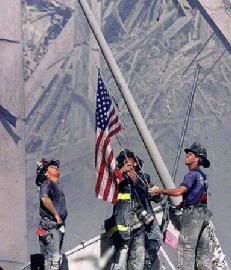


I'd like to ask for a moment of silence right now for the victims and heroes who died on this day as well as for their family and friends....
Our thoughts and prayers are with them on this day.
Monday, September 4, 2006
Remebering Steve Irwin [May He Rest In Peace♥]
Steve "The Crocodile Hunter" Irwin was a naturalist, conservationist, father, and husband. He loved to interact with and was passionate and dedicated to the protection of wildlife and educating the public. September 4, 2006, Irwin was fatally pierced in the chest by a short-tail stingray barb while diving in Batt Reef (part of the Great Barrier Reef), off the coast of Port Douglas in Queensland. Irwin was in the area filming his own documentary, to be called The Ocean's Deadliest, but weather had stalled filming. Irwin decided to take the opportunity to film some shallow water shots for a segment in the television program his daughter Bindi was hosting when, according to his friend and colleague John Stainton, he swam too close to one of the animals. He came on top of the stingray and the stingray's barb went up and into his chest and and through his heart.
Steve led an exciting life having a love for animals like no other this death comes tragic to Steve's family (his wife and 2 children) and also to his fans all across the world.
Steve Irwin: Febuary 22nd, 1962 - September 4th, 2006
A nice slideshow tribute can be found in the videos below:
Steve led an exciting life having a love for animals like no other this death comes tragic to Steve's family (his wife and 2 children) and also to his fans all across the world.
Steve Irwin: Febuary 22nd, 1962 - September 4th, 2006
A nice slideshow tribute can be found in the videos below:
Sunday, August 13, 2006
Important Note From NAMI Regarding Suicide Hotline
1-800-SUICIDE Hotline Set to Shut Down
Update #1:
August 11, 2006 6:30 PM
As NAMI reported yesterday, the nation's largest suicide hotline, 1-800-SUICIDE, is scheduled to go out of service. But instead of this occurring on Saturday, August 12, as previously announced, the operator of this hotline has been given a two week extension. Negotiations are still in progress that may prevent the number from going out of service. However, NAMI is still urging the public to be aware that the alternative number for those in crisis is 1-800-273-TALK.
This number will put callers in touch with the federally-funded National Suicide Prevention Lifeline, a service that has been in operation since January, 2005. It functions as a central switchboard to immediately connect callers to virtually the same network of certified, local crisis centers accessed by 1-800-SUICIDE. So callers can receive counseling or emergency services, if needed, close to home.
All calls to the 1-800-273-TALK Lifeline are private and confidential. Confidentiality of personal information and of personal disclosures during calls is a high priority for the parties involved in operating the Lifeline.
The federal Substance Abuse and Mental Health Services Administration (SAMHSA) is working with the National Suicide Prevention Lifeline and the entire suicide prevention community to ensure that every call for help during a suicide crisis is answered. Some of the measures being put in place include:
Ensuring that the entire suicide-prevention community is working the phones and Internet to make sure that all referring agencies know that 1-800-273-TALK is the number to call for suicide intervention.
Notifying service providers, including directory 411 and 211 operators, that 1-800-SUICIDE is scheduled to go out of service in two weeks, and to direct callers to 1-800-273-TALK for help.
Redirecting callers who call 1-800-SUICIDE to call 1-800-273-TALK through a recording.
NAMI will continue to stay involved with these efforts and will distribute additional information as it becomes available.
NAMI urges you to help distribute this alert in your community. Together, we can ensure that every call for help is answered.
Thank you,
Michael J. Fitzpatrick, MSW
Executive Director
NAMI
Update #2:
September 26, 2006
The Substance Abuse and Mental Health Services Administration (SAMHSA) and Kristin Brooks Hope Center (KBHC) reached an agreement on August 25, 2006 which ensured the continued operation of 1-800-SUICIDE. As of September 25, 2006, SAMHSA is maintaining the line.
SAMHSA has been in contact with KBHC and appreciates their ongoing cooperation and collaboration in ensuring that individuals in suicidal crisis receive the help that they need.
SAMHSA not anticipate any changes in the near future that would affect the status of the line. If any material changes arise that would affect potential callers, SAMHSA will move swiftly to notify the field.
SAMHSA expresses appreciation for the support of the mental health and suicide prevention fields. They hope that all parties will continue to move forward and speak with one voice about the importance of suicide prevention at a national level.
Original:
August 10, 2006
The nation's largest suicide hotline, 1-800-SUICIDE, is scheduled to go out of service this Saturday, August 12, 2006. There are currently negotiations in progress that may prevent this. However, in the event that these negotiations are not successful, NAMI is issuing this alert to raise public awareness of the alternative for those in need of help.
The alternative number for those in crisis is 1-800-273-TALK. This number will put callers in touch with the federally-funded National Suicide Prevention Lifeline, a service that has been in operation since January, 2005. It functions as a central switchboard to immediately connect callers to virtually the same network of certified, local crisis centers accessed by 1-800-SUICIDE. So callers can receive counseling or emergency services, if needed, close to home.
All calls to the 1-800-273-TALK Lifeline are private and confidential. Confidentiality of personal information and of personal disclosures during calls is a high priority for the parties involved in operating the Lifeline.
The federal Substance Abuse and Mental Health Services Administration (SAMHSA) is working with the National Suicide Prevention Lifeline and the entire suicide prevention community to ensure that every call for help during a suicide crisis is answered. Some of the measures being put in place include:
-- Ensuring that the entire suicide-prevention community is working the phones and Internet to make sure that all referring agencies know that 1-800-273-TALK is the number to call for suicide intervention.
-- Notifying service providers, including directory 411 and 211 operators, that 1-800-SUICIDE is scheduled to go out of service beginning August 12, 2006 and to direct callers to 1-800-273-TALK for help.
-- Redirecting callers who call 1-800-SUICIDE to call 1-800-273-TALK through a recording.
As a part of this effort, NAMI will participate in a meeting with SAMHSA and its other partner groups on Friday afternoon, August 11, and we will issue an update afterwards if there is additional information to share.
NAMI urges you to help distribute this alert in your community. Together, we can ensure that every call for help is answered.
Thank you,
Michael J. Fitzpatrick, MSW
Executive Director
NAMI
Bulletins can be read at the NAMI (National Alliance for the Mentally Ill) site here
Subscribe to:
Posts (Atom)